
التحدي والسياق
يتطلب بناء سوق خدمات موازنة احتياجات مجموعتين متميزتين من المستخدمين: العملاء الباحثين عن خدمات تنظيف موثوقة وعمال النظافة المحترفين الباحثين عن عمل منتظم. كانت المنصة بحاجة إلى التعامل مع سير عمل حجوزات معقد، وتواصل فوري بين الأطراف، ومطابقة خدمات قائمة على الموقع، ومعالجة مدفوعات مدمجة.
طلب العميل حلاً يمكنه التوسع عبر الويب والتطبيقات المحمولة مع الحفاظ على تجربة متناسقة. كان الأمان والثقة أمرين بالغي الأهمية، مما تطلب التحقق المناسب من الهوية، ومعالجة آمنة للمدفوعات، وتتبع موثوق لتوصيل الخدمات.
امتد التعقيد التقني إلى ما هو أبعد من تطبيقات الويب النموذجية. معالجة البيانات الجغرافية، والتواصل ثنائي الاتجاه الفوري، والمزامنة عبر الأجهزة المتعددة، ومعالجة المهام غير المتزامنة، كلها احتاجت إلى العمل معاً بسلاسة.
بنية النظام وتصميمه
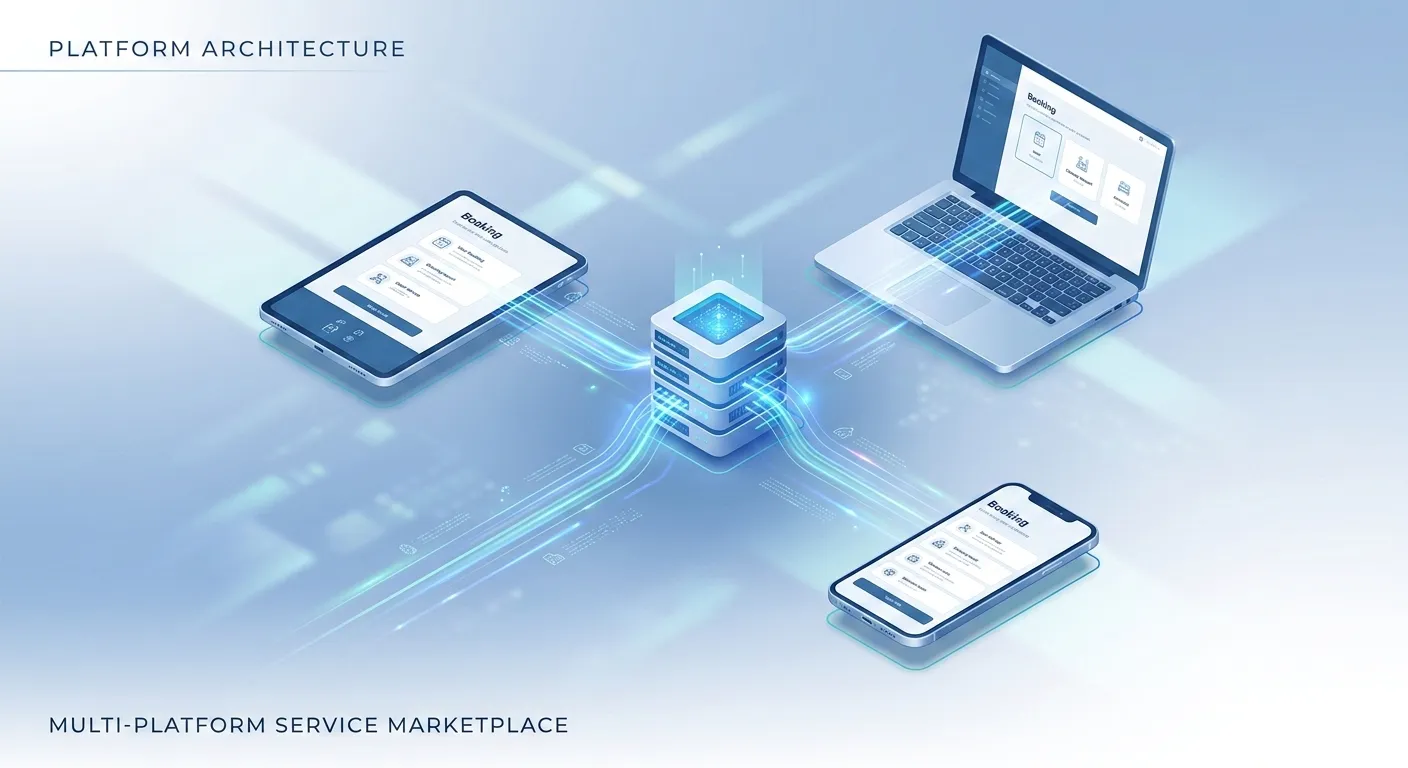
تتكون المنصة من ثلاثة تطبيقات مترابطة تشارك طبقة API موحدة. يوفر النهاية الخلفية Laravel 12 API من نمط RESTful يدير جميع منطق الأعمال، بينما تستهلك تطبيقات الواجهة الأمامية المنفصلة هذه الخدمات.
تتبع بنية النهاية الخلفية نهجاً موجهاً بالمجال مع فصل واضح للمسؤوليات. تلخص نماذج Eloquent منطق الأعمال من خلال العلاقات والنطاقات. تحول موارد API البيانات بشكل متناسق لتطبيقات المحمول والويب. يستخدم التطبيق نظام قوائم الانتظار في Laravel للعمليات كثيفة الاستهلاك مثل معالجة الصور وإرسال الإشعارات.
يتضمن تصميم قاعدة البيانات أعمدة مكانية للتصفية الجغرافية، مما يسمح باستعلامات فعالة للعثور على عمال النظافة المتاحين في مناطق خدمة محددة. يفصل المخطط بين إدارة المستخدمين ودورة حياة الحجوزات والمراسلات والمعاملات المالية.
تستخدم الوظائف الفورية Laravel Reverb لاتصالات WebSocket، مما يتيح محادثة فورية بين العملاء وعمال النظافة دون الحاجة إلى استقصاء الخادم. تدفع نفس البنية تحديثات حالة الحجوزات إلى التطبيقات المحمولة من خلال Firebase Cloud Messaging.
توفر لوحة الإدارة المبنية باستخدام Filament لموظفي التشغيل أدوات لإدارة المستخدمين والحجوزات والمحتوى. تعرض الأدوات المخصصة المقاييس الرئيسية بينما تتعامل أدوات بناء النماذج مع سير عمل إدخال البيانات.
القرارات الهندسية الرئيسية
استراتيجية المنصات المتعددة
بدلاً من بناء أنظمة خلفية منفصلة لكل منصة، يخدم API واحد لوحة الويب وتطبيق العميل المحمول وتطبيق عامل النظافة المحمول. يقلل هذا من عبء الصيانة ويضمن سلوكاً متناسقاً عبر نقاط الاتصال. تسمح إصدارات API بالتحديثات المتحكم فيها دون كسر تطبيقات المحمول الحالية.
المصادقة والأمان
يطبق النظام OAuth 2.0 مع مزودين متعددين بما في ذلك Google و Facebook و Apple. يمكن للمستخدمين المصادقة من خلال تسجيل الدخول الاجتماعي أو التسجيل التقليدي بالبريد الإلكتروني. يدير Laravel Sanctum الجلسات القائمة على الرموز عبر الأجهزة. يفرض التحكم في الوصول القائم على الأدوار بين صلاحيات العميل وعامل النظافة.
التواصل الفوري
تطلبت وظيفة المحادثة تسليم الرسائل الفورية ومؤشرات الحضور. يوفر Laravel Reverb البنية التحتية لـ WebSocket بينما تحافظ التطبيقات المحمولة على اتصالات دائمة من خلال Firebase. يستفيد هذا النهج الهجين من دعم WebSocket الأصلي في المتصفح مع استخدام قدرات الإشعارات الأصلية على المحمول.
المعالجة غير المتزامنة
تُرسل رسائل تأكيد الحجز والإشعارات الفورية ومهام معالجة الصور إلى Laravel Horizon. يفصل هذا استجابات API الحساسة للوقت عن العمل الخلفي، مما يحسن الأداء المدرك. تراقب لوحة تحكم قوائم الانتظار صحة المهام وأنماط إعادة المحاولة.
معالجة البيانات المكانية
تستخدم مطابقة الخدمات القائمة على الموقع امتدادات MySQL المكانية من خلال حزمة laravel-eloquent-spatial. يحدد عمال النظافة مناطق خدمتهم كمضلعات حدودية، ويستعلم النظام بكفاءة عن المزودين المتاحين لإحداثيات محددة.
التسليم والنتائج
أطلقت المنصة بنجاح مع ثلاثة تطبيقات متزامنة. يوفر النهاية الخلفية Laravel أساساً مستقراً لمنطق الأعمال، حيث يتعامل مع أكثر من خمسين نقطة نهاية API عبر المصادقة والحجوزات والمراسلات والفواتير. يربط التواصل الفوري العملاء وعمال النظافة دون مشاكل تأخير قد تعيق تنسيق الخدمة.
تقدم لوحة الويب المبنية باستخدام Next.js و Tailwind CSS للعملاء تجربة متجاوبة لتصفح الخدمات وإدارة الحجوزات وعرض الفواتير. يحسن عرض الخادم أداء التحميل الأولي بينما يحافظ التنقل من جانب العميل على السرعة المدركة.
تخدم تطبيقات Flutter المحمولة كلاً من دور العميل وعامل النظافة بأداء أصلي. يتولى تكامل Firebase توصيل الإشعارات الفورية بشكل موثوق عبر iOS و Android. يتضمن تطبيق عامل النظافة ميزات لقبول المهام والتنقل إلى المواقع والتقاط أدلة الإنجاز.
تمكن أدوات التشغيل من خلال Filament فرق الدعم من إدارة السوق دون وصول مباشر إلى قاعدة البيانات. تقلل التقارير المخصصة والإجراءات الجماعية من العمل اليدوي للمهام الإدارية الشائعة.
تدعم البنية النمو المستمر من خلال قدرات التوسع الأفقي. تعالج عمال قوائم الانتظار المهام الخلفية بشكل مستقل عن طلبات الويب، بينما يمكن لطبقة API التوسع بشكل منفصل عن توصيل المحتوى الثابت.